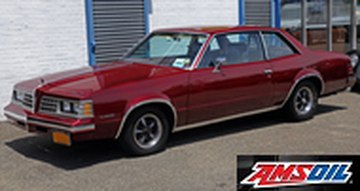
Lubrication Maintenance for the 1981 Pontiac LEMANS 5.0L
Maintaining a vehicle from the early 1980s requires a shift in perspective compared to modern automotive care. For owners of a 1981 Pontiac LEMANS equipped with the 5.0L engine, routine service is not just about following a schedule; it is about active monitoring and understanding how aging components interact with various fluids. Proper lubrication management is a cornerstone of preserving the mechanical integrity of this powertrain.
Monitoring Fluid Integrity and Condition
Regularly checking the condition of your engine oil can provide significant insight into the overall health of the 5.0L engine. Rather than simply looking at the level, an observant owner should examine the physical characteristics of the lubricant. While oil naturally darkens over time due to use, extreme discoloration or a gritty texture can be a sign that the fluid is no longer performing its intended role effectively.
When performing routine checks, look for the following indicators:
- Consistency: The oil should feel smooth. Any unexpected thickness or unusual texture warrants investigation.
- Odor: While some scent is normal, a strong smell of fuel within the oil may indicate an issue with the combustion process or fuel system components.
- Contamination: If the oil appears milky or cloudy, this can be associated with coolant entering the lubrication system, which requires immediate attention to prevent internal damage.
By establishing a baseline of what "normal" looks like for your specific engine, you can more easily identify when a change is necessary or when an underlying mechanical issue might be developing.
Observing Potential Warning Signs
Because older engines may exhibit different behaviors than modern, highly sealed units, it is important to stay alert to subtle changes. A single symptom does not provide a definitive diagnosis, but several indicators together can signal that the engine requires professional inspection.
One area of focus should be visible evidence of seepage. Inspecting the areas around the engine block and various sealing surfaces for signs of wetness or residue can help identify where gaskets or seals may be aging. If you notice oil accumulating on the underside of the vehicle or pooling in the drain area, it is a clear sign that the integrity of the sealing system should be evaluated.
Additionally, pay attention to how the engine operates during different phases of use. Changes in mechanical noise or unusual vibrations can sometimes be linked to lubrication issues. If an engine becomes louder or exhibits new rhythmic sounds, it may indicate that the lubricant is not maintaining the necessary film strength under operating temperatures. Always remember that these symptoms can have multiple causes, ranging from simple seal aging to more complex internal requirements.
Prioritizing Long-Term Engine Care
As a 1981 Pontiac LEMANS ages, maintenance priorities often shift from purely preventive tasks to condition-based management. Instead of following a rigid calendar, successful long-term ownership involves reacting to the actual state of the vehicle's components.
If you are operating a vehicle with an incomplete service history, your first priority should be establishing a baseline. This involves performing a thorough inspection of all fluids and accessible mechanical parts to determine what has been maintained and what may have been overlooked. Once this baseline is set, you can prioritize tasks based on urgency—addressing active leaks or significant fluid degradation before moving on to general preventive maintenance.
Keeping detailed records of every oil change, filter replacement, and observed leak is an invaluable tool. These records allow you to track patterns, such as whether the engine is consuming more lubricant over time or if certain components require more frequent inspection. This data-driven approach helps distinguish between necessary repairs and unnecessary parts replacement, ensuring that maintenance efforts are focused where they will provide the most benefit.
Inspecting Aging Components and Systems
Beyond the oil itself, several peripheral systems play a role in maintaining the environment in which the engine operates. For an engine of this era, inspecting age-sensitive components is a practical part of routine service.
If equipped, inspect accessible drive belts for signs of deterioration such as cracking, glazing, or fraying. Similarly, if the vehicle is present with various rubber hoses, check them for excessive softness, hardening, or visible cracks. These components are subject to heat cycles and age, and their condition can impact how other systems, like the cooling system, perform.
Electrical connections and wiring should also be monitored. Over time, heat and vibration can cause connectors to become brittle or loose, which may lead to inconsistent sensor readings or electrical issues. A clean, secure connection is essential for the reliable operation of any electronic components present on the vehicle.
Effective Lubrication Management Strategies
The 5.0L engine relies on a consistent supply of high-quality lubricant to manage friction and heat. While many owners are familiar with different types of oils, choosing the right one for an older application involves more than just picking the most expensive option.
Some formulations are specifically designed for aging engines. For example, certain high-mileage oil formulations contain additives intended to help maintain the integrity of seals that may have become hardened over time. These seal-conditioning additives can be a useful consideration if you notice minor seepage. Furthermore, understanding the difference between conventional oils and synthetic or synthetic-blend options can help you decide how much emphasis to place on thermal stability and oxidation resistance for your specific driving habits.
Regardless of the type of oil chosen, ensuring it meets the appropriate API certification is vital. This certification ensures that the lubricant has been tested to meet modern standards for engine protection, even if the vehicle was originally designed before those specific standards were established.
Buying Engine Oil for your 1981 Pontiac LEMANS 5.0L
When you are ready to purchase new lubricant, do not rely on general assumptions about what an older car "needs." The most accurate way to select the correct product is to match the engine oil to the application-specific viscosity and requirements already displayed in the information section of this page.
Before completing your purchase, always check the product labeling to ensure the oil meets the necessary specifications. If you are looking for specialized options, such as high-mileage formulations, verify that they align with the current condition of your engine's seals and gaskets. By following the specific guidance provided in the application data above, you can ensure that your 1981 Pontiac LEMANS 5.0L receives the exact lubrication required for its continued operation.